Checking your tyre tread depth takes less than two minutes and could save your life. Worn tyres are a major factor in road accidents, particularly in wet conditions. Here is exactly how to check your tread depth, what to look for, and when to take action.
Why Tread Depth Matters
Tyre tread is not just a pattern on the rubber — it is a precisely engineered system for channelling water away from the contact patch between your tyre and the road. In heavy rain, the tread of a tyre in good condition can disperse up to 30 litres of water per second.
As tread wears, this water evacuation capacity reduces. The result is aquaplaning — where a film of water builds up between the tyre and road surface, causing a complete loss of grip. The risk of aquaplaning increases dramatically as tread depth falls below 3mm.
The UK Legal Minimum Tread Depth
The legal minimum tyre tread depth in the UK is 1.6mm across the central three-quarters of the tyre width, around the entire circumference. The penalties for driving with illegal tyres are serious:
- A fine of up to £2,500 per tyre
- 3 penalty points per tyre on your licence
- 4 bald tyres could mean 12 points and an automatic ban
- Your insurance may be invalidated in the event of an accident
The 20 Pence Test
The quickest roadside check is the 20 pence test:
- Take a 20 pence coin and insert it into the main tread grooves of your tyre
- Insert it in several places across the width of the tyre and around its circumference
- If the outer band of the coin is hidden by the tread, your tyre has more than 3mm of tread remaining
- If the outer band is visible, your tread depth is approaching the legal limit and you should have your tyres professionally measured immediately
The 20p test is a quick indicator, not a precise measurement. Use a proper tread depth gauge for accurate readings.
Using a Tread Depth Gauge
A tread depth gauge costs around £2-5 from any motor factor or online retailer. To use one:
- Insert the probe into the tread groove at the deepest point
- Press the gauge flat against the tyre surface
- Read the depth from the gauge — modern gauges are marked in both mm and 32nds of an inch
- Measure at multiple points across the tyre width (inner, centre, outer) and at several points around the circumference
Record the lowest reading — this is the effective tread depth of that tyre.
Tread Wear Indicators
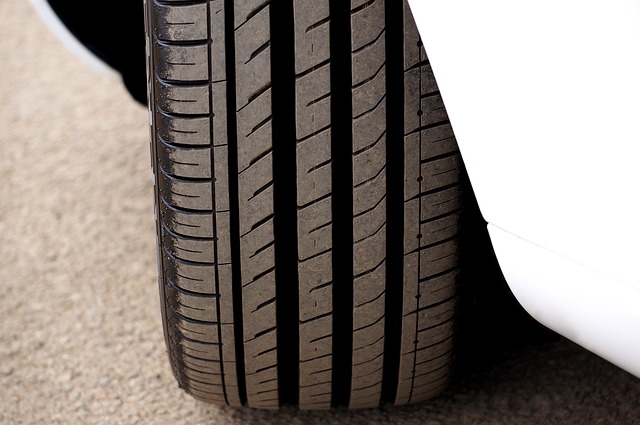
All tyres have tread wear indicator bars moulded into the base of the tread grooves. These small raised bars sit at 1.6mm height. When the tyre tread surface wears down to the level of these bars — when you can see them as a continuous band across the tread groove — the tyre is at the legal minimum and must be replaced immediately.
Look for the TWI marker moulded onto the tyre sidewall to locate where the tread wear indicators are positioned in the grooves.
How Often Should You Check?
Check your tread depth at least once a month — it takes less than two minutes. Also check before any long journey and any time you suspect your tyres may have been damaged. Many drivers include a quick tyre check as part of their monthly service check alongside oil, water and tyre pressure.
When to Replace Your Tyres
Do not wait until you reach the legal minimum. The safe replacement threshold is 3mm for good wet weather performance. Below 3mm, braking distances in the wet increase rapidly.
Also consider age — tyres older than 5-6 years should be inspected professionally regardless of tread depth, as the rubber compound degrades over time.
Mobile Tyre Fitting Across North Wales
If your tread depth check shows your tyres need replacing, call Mobi Tyre on 07356 244019. We come to you at home, at work or at the roadside throughout North Wales and border England — available 24 hours a day with no call-out charges.