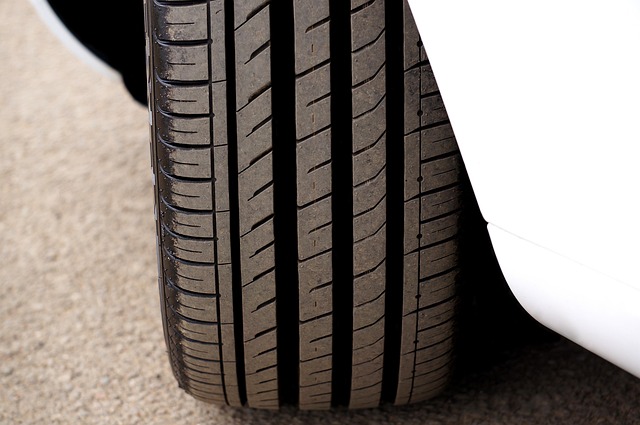
Your tyres are the only part of your vehicle in contact with the road. Everything depends on them — braking, steering, cornering, safety. Knowing when to replace them is one of the most important things a driver can understand.
The UK Legal Minimum Tread Depth
In the UK, the legal minimum tyre tread depth is 1.6mm across the central three-quarters of the tyre width around the entire circumference. Driving with tyres below this limit carries a potential fine of up to £2,500 per tyre and 3 penalty points per tyre on your licence.
However, the legal minimum is not the ideal replacement threshold. Independent testing consistently shows that braking performance deteriorates significantly once tread depth falls below 3mm, particularly in wet conditions. At 1.6mm tread, stopping distances in the wet can be up to 44% longer than at 3mm.
We recommend replacing tyres when tread reaches 3mm — not waiting until you hit the legal limit.
How to Check Your Tyre Tread Depth
The quickest way is the 20 pence test. Insert a 20p coin into the main tread grooves. If you can see the outer band of the coin, your tyres are approaching the legal limit and need professional attention.
For accuracy, use a tread depth gauge — available from any motor factor for around £2. Measure at multiple points across the tyre width and around the circumference, as wear is often uneven.
Most modern tyres also have tread wear indicator bars moulded into the tread grooves at a depth of 1.6mm. When these bars become flush with the tread surface, the tyre is at the legal minimum.
Warning Signs Your Tyres Need Replacing Now
Tread depth is not the only reason to replace tyres. Look out for these signs:
- Sidewall cracks — cracking or crazing on the sidewall indicates rubber degradation and is potentially dangerous
- Bulges or blisters — a bulge in the sidewall indicates internal structural damage, usually from kerb strikes or pothole impacts. A bulging tyre is at serious risk of sudden blowout
- Age — tyres degrade with age even when not in use. Most manufacturers recommend replacement after 5 years regardless of tread depth, and certainly after 10 years
- Persistent slow punctures — repeated deflation may indicate damage that cannot be properly sealed
- Vibration — that cannot be resolved by wheel balancing may indicate internal tyre damage
Uneven Tyre Wear — What It Means
Even wear across the full tyre width is a sign of a healthy tyre in good condition. Uneven wear indicates an underlying problem that is costing you money:
- Centre wear — over-inflation. The tyre is running on its centre band
- Edge wear on both sides — under-inflation. The tyre is running on its shoulders
- One-sided wear — incorrect wheel alignment. Have it checked and corrected before fitting new tyres
- Scalloped or cupped wear — worn shock absorbers or suspension components
Always address the underlying cause of uneven wear before fitting replacement tyres. Fitting new tyres on a car with alignment or suspension problems simply means the new tyres wear out prematurely too.
How Old Are Your Tyres?
Every tyre has a four-digit DOT code moulded into the sidewall — for example 2619 means the 26th week of 2019. Even with plenty of remaining tread, tyres older than 5-6 years should be inspected by a professional and replaced if there is any sign of cracking or degradation.
Get Your Tyres Checked by Mobi Tyre
If you are unsure about the condition of your tyres, Mobi Tyre provides professional mobile tyre inspections throughout North Wales and border England. We come to you, assess your tyres honestly and only recommend replacement when genuinely needed. Call 07356 244019 any time — available 24 hours a day.