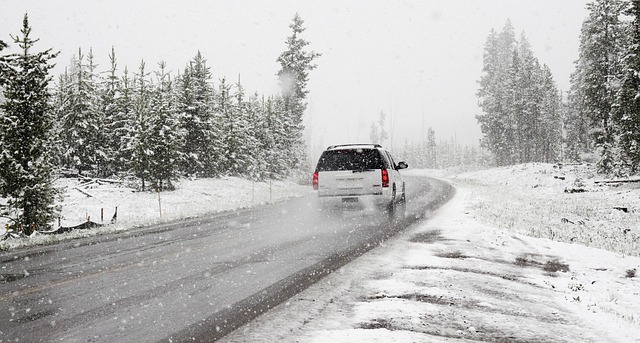
North Wales experiences some of the most varied driving conditions in the UK. From the mild coastal lowlands of the A55 corridor to the exposed mountain passes of Snowdonia and the Berwyn Mountains, tyre choice can make a significant difference to safety and driving experience in winter months.
What Are Winter Tyres?
Winter tyres are manufactured from a different rubber compound that remains pliable at low temperatures. The key threshold is 7 degrees Celsius — below this temperature, standard summer tyres begin to harden and lose grip, while winter tyres maintain their flexibility and performance.
Winter tyres also have a distinct tread pattern with more and deeper sipes — small cuts in the tread blocks that create additional biting edges for snow and ice. Many have a more open tread pattern to channel snow and slush away from the contact area.
Importantly, you do not need snow for winter tyres to be beneficial. They outperform summer tyres on cold, wet roads in temperatures below 7°C — which describes many winter mornings throughout North Wales from October to April.
What Are All-Season Tyres?
All-season tyres are designed to provide acceptable performance across a wider temperature range than a summer tyre, without the need for a seasonal tyre change. They are a genuine compromise — better than summer tyres in cold and wet conditions, but not as capable as dedicated winter tyres in severe cold or significant snowfall.
All-season tyres are typically marked M+S (mud and snow) and many carry the Three Peak Mountain Snowflake symbol (3PMSF), indicating they meet minimum performance standards in snow.
Which is Right for North Wales?
The answer depends on where you live and drive in North Wales:
If you regularly use mountain roads in winter
Routes such as the Llanberis Pass (A4086), Horseshoe Pass above Llangollen (A542), the Crimea Pass above Blaenau Ffestiniog, or the A470 through Snowdonia can experience significant snow and ice from November through to March. Dedicated winter tyres offer substantially better performance in these conditions and are well worth the investment if you use these roads regularly.
If you live on the North Wales coast
The A55 coastal corridor from Queensferry to Holyhead typically experiences milder winter conditions than the inland areas. All-season tyres provide a practical solution — avoiding the cost and inconvenience of seasonal changes while offering significantly improved winter performance over standard summer tyres.
If you live in Wrexham and northeast Wales
Conditions here are intermediate. The lower Dee Valley is relatively mild but the Clwydian Range and Berwyn Mountains can experience significant snowfall. All-season tyres are a sensible choice unless you regularly cross higher ground in winter.
The Cost Comparison
Winter tyres represent an additional investment, but each set only wears for six months per year — meaning both sets last longer and total tyre costs over several years can be comparable to running all-season tyres year-round.
All-season tyres eliminate the cost and inconvenience of seasonal swaps and are used year-round, meaning they need replacing more frequently than either a summer or winter set used seasonally.
Supply and Fitting from Mobi Tyre
Mobi Tyre supplies and fits both winter tyres and all-season tyres throughout North Wales and border England, at your home or workplace. If you want advice on the best choice for your vehicle, location and driving habits, call us on 07356 244019.